In Brisbane you can plant something in every month, but the crop has to suit the season. Warm-season crops such as tomatoes, capsicum, sweet corn and zucchini go in from late winter, tropical crops such as okra, pumpkin and sweet potato follow in spring, and cool-season crops such as broccoli, carrots, lettuce and onions do best from March to July.
Timing matters because Brisbane is subtropical. Summers are hot, humid and stormy, winters are mild and dry, and frost is rare in most suburbs. A cool-season crop planted into summer heat bolts, and tomatoes struggle to set fruit in peak heat and humidity. Match the crop to the month and you spend less effort on watering, pests and disease, and pick more.

Brisbane’s growing seasons
- Summer (December to February): hot, humid and wet. Plant crops that cope with heat and wet leaves, and water at the base of the plant.
- Autumn (March to May): temperatures ease but the soil stays warm. This is the best window for greens, brassicas, root crops and strawberries.
- Winter (June to August): sunny, mild days and cool nights, with the odd frost in outer and low-lying areas. Cabbage-family crops, onions and root vegetables keep growing.
- Spring (September to November): the soil warms and days lengthen, so warm-season and tropical crops go in.
Microclimate counts. A sheltered, north-facing yard runs warmer than a low-lying block in an outer suburb, so move the timing by a couple of weeks to suit. This guide is written for Brisbane and the wider South East Queensland region. Planting charts written for cooler states, or organised by hardiness zone, do not line up with our seasons.
For more herbs to try, see 10 easy-to-grow kitchen garden herbs.
Planting calendar at a glance
Find the month in the table, then read that month’s section for the full list and how to grow each crop.
| Month | What to plant | Key garden jobs |
|---|---|---|
| January | Capsicum, cucumber, eggplant, zucchini, basil, lemongrass | Water early, mulch, feed with seaweed |
| February | Beans, carrots, lettuce, pumpkin, watermelon, passionfruit, coriander, parsley, mint | Bin fallen fruit, pinch basil flowers |
| March | Lettuce, carrots, beetroot, broccoli, cauliflower, spinach, onions, beans, strawberries, thyme | Final hedge trim, repot indoor plants |
| April | Lettuce, carrots, beetroot, broccoli, spinach, snow peas, strawberries, chives | Pot winter colour, watch for snails and aphids |
| May | Silverbeet, kale, onions, peas, turnips, wombok, potted blueberries, thyme | Protect from cold, aerate the lawn |
| June | Broccoli, cauliflower, cabbage, onions, turnips, silverbeet, dill, oregano | Mulch, water deeply in the morning |
| July | Cabbage, carrots, beetroot, lettuce, rocket, blueberries, bare-rooted nectarine | Take rose cuttings, feed citrus late in the month |
| August | Tomatoes, capsicum, sweet corn, zucchini, passionfruit, mint, basil | Turn the compost, feed natives after flowering |
| September | Tomatoes, capsicum, beans, zucchini, lettuce, rockmelon, watermelon, passionfruit, basil, parsley | Enrich beds, feed, mulch |
| October | Okra, pumpkin, sweet potato, chillies, silverbeet, pineapple, dragon fruit, dwarf banana, lemongrass | Lay fresh mulch before summer |
| November | Capsicum, cucumber, climbing beans, pumpkin, rockmelon, papaya, passionfruit, basil, rosemary | Plant trees and shrubs early, check roses for black spot |
| December | Sweet corn, capsicum, cucumber, zucchini, bananas, passionfruit, basil, lemongrass, chives | Top up mulch, set up watering for time away |
Three jobs suit every month: mulch beds (and renew the mulch at least every six months), dig compost or worm castings through the soil before planting, and water in the early morning to cut evaporation and disease.
What to plant in January
January is hot, humid and stormy. Plant capsicum, cucumber, eggplant and zucchini, with basil and lemongrass for herbs, and keep the water regular.

Vegetables to plant in January
- Capsicum. Thrives in summer heat, though young plants may need shade cloth on scorching days. Use a sunny spot with fertile, well-drained soil.
- Cucumber. Loves warmth. Plant in well-drained soil and grow it up a trellis to keep the fruit off the ground.
- Eggplant. Prefers warm soil and steady moisture. Choose a spot with at least six hours of sun a day.
- Zucchini. Fast growing and productive. Plant in fertile, well-drained soil and give it plenty of room to spread.
- Tomatoes (with care). Peak heat and humidity make fruit set harder. If you plant in January, choose small-fruited, heat-tolerant types, stake them early and water consistently. August and September are the main window (see the tomato notes under September).
Herbs to plant in January
- Basil. Loves the warmth. Sow straight into the garden or into pots, and pick often.
- Lemongrass. A hardy clump that thrives in the heat.
Garden jobs in January
- Water early in the morning to cut evaporation. Drip irrigation keeps moisture steady between storms.
- Mulch beds, and renew the mulch at least every six months.
- Feed with a seaweed biostimulant such as DynaMaxx Pure Seaweed. Fruiting crops can also have Sonic Bloom, which is applied just before flowering and then fortnightly while the plants bloom. Follow the label.
- When you refresh a bed, use a well-draining soil rich in organic matter. See the garden soils below.
What to plant in February
February is still hot and humid, but passing showers help seedlings settle. Plant beans, carrots, lettuce and pumpkin, plus watermelon and passionfruit, with coriander, parsley and mint for herbs. Rotate crops so the same plant family does not return to the same spot each year, which lowers the risk of soil-borne disease.

Vegetables to plant in February
- Beans (bush and climbing). Quick growing and productive. Sow seed straight into well-drained soil, keep it moist and pick often.
- Carrots. Sow into loose, sandy soil, water consistently and thin the seedlings so the roots have room. Avoid fresh manure, which can make carrots fork. See carrot growing tips.
- Lettuce. Choose a semi-shaded spot and plant a few each week for a longer harvest. Water regularly to prevent bitterness. See lettuce growing tips.
- Pumpkin. A long-season vine that suits Queensland’s climate. Plant seed in a sunny spot with room for the vines to sprawl, and keep the soil moist.
Leave broccoli until March. February is usually too hot for it.
Fruit to plant in February
- Watermelon. Loves the summer heat. Plant seed in well-drained soil in plenty of sun.
- Passionfruit. A perennial vine. Plant in a sunny spot with a sturdy trellis, fertilise regularly and keep the soil well drained.
Herbs to plant in February
- Coriander. Plant in a semi-shaded spot, water consistently and harvest the leaves early.
- Parsley. A handy year-round herb. Choose a sunny or part-shaded spot, water regularly and remove flower stems to prolong the harvest.
- Mint. Grow it in a container to stop it spreading, in a shaded spot, with the soil kept evenly moist. See easy kitchen herbs.
Garden jobs in February
- Pick up and bin fallen fruit to slow the spread of fruit fly and fungal disease.
- Cut off the flowers on basil to keep the leaves bushy.
- Cut petunias back, then feed them fortnightly with a foliar spray.
- Top pots with stones to keep the potting mix cooler while letting water through.
What to plant in March
March is the start of autumn. Days cool but the soil stays warm and wetter conditions help young plants settle, so it is one of the best planting months of the year. Plant lettuce, carrots, beetroot, broccoli, cauliflower, spinach and onions.

Vegetables to plant in March
- Lettuce. Loose-leaf types give a quicker harvest, while cos and butterhead types make heartier heads. Keep the soil moist but not waterlogged, and plant in part shade to prevent bolting.
- Carrots. Use well-draining, loose soil so the roots do not stunt or fork, and remove large clumps and stones. Thin the seedlings.
- Beetroot. Easy to grow, with edible roots and greens. Water consistently and pick when the roots are about golf-ball size.
- Broccoli. Thrives as temperatures cool. Net against cabbage moth and apply liquid fertiliser every two weeks. See broccoli growing tips.
- Cauliflower. Another brassica that likes mild weather. Keep the moisture consistent, protect from pests and space plants well apart so the heads can develop.
- Spinach. Prefers a slightly shaded spot and regular watering. Plant in March for continual harvests.
- Onions. Planting in March lets them establish before winter. Keep the soil well drained and go easy on fertiliser, which grows leaf instead of bulbs.
- Beans (bush and climbing). Still a good option while the soil is warm. Support climbers, water deeply and pick regularly.
Fruit to plant in March
- Strawberries. Plant in well-draining, compost-rich soil and keep them mulched. They establish before winter and fruit in spring.
- Passionfruit. Plant in full sun with a sturdy trellis, and keep the soil moist but well drained.
- Blueberries. They need acidic conditions. Use an acidic mulch such as pine needles, give them plenty of sun and water regularly. In Brisbane they suit pots (see July).
- Pineapple. Needs little care once established. Plant in a sunny, well-draining spot and water occasionally in dry spells.
Herbs to plant in March
- Basil. Still a good choice while it is warm. Give it full sun and regular water, and pick often to prevent flowering.
- Parsley and coriander. Both suit autumn. Water consistently, and give parsley part shade while the weather is still warm. Coriander prefers a cooler, shaded spot.
- Thyme. Plant for year-round use. It wants full sun, well-drained soil and little water.
- Mint. Keep it in a pot because it spreads aggressively, and water regularly.
Garden jobs in March
- Give hedges a final trim so they look tidy over winter.
- Repot and fertilise indoor plants so they settle before the cool months.
- Pick nearly ripe tomatoes with a little stem attached and finish ripening them indoors.
- Divide succulents by removing the small plantlets (pups). Let them dry a little before replanting.
- Autumn is a good time for cuttings, weeding and lawn care. See autumn garden tips.
What to plant in April
April brings cooler days and falling humidity, while the soil still holds the warmth of summer. Plant lettuce, carrots, beetroot, broccoli, spinach and snow peas, with strawberries and passionfruit for fruit and chives, parsley and coriander for herbs. It is also the month to pot winter colour.
Vegetables to plant in April
- Lettuce, carrots, beetroot, broccoli and spinach. Plant small batches to spread the harvest, and keep the water consistent.
- Snow peas. Give them full sun and something to climb, such as a trellis or mesh fence. Sow straight into the soil, water well during flowering and pod development, and pick young and often.
Fruit to plant in April
- Strawberries. They establish before winter and fruit in spring. Plant in well-draining, compost-rich soil and mulch.
- Passionfruit. Plant in full sun with a sturdy trellis, and keep the soil moist but well drained.
Herbs to plant in April

- Chives. Easy and low maintenance, in pots or garden beds. They like sun and moderate watering. Trim regularly.
- Parsley. Water consistently and choose a part-shaded spot if the weather is still warm.
- Coriander. Prefers a cooler, shaded position and consistent watering. It grows quickly, so harvest often.
Garden jobs in April
- Pot hanging baskets with winter bloomers such as violas, wallflowers and polyanthus.
- Prune native shrubs that flowered over summer.
- Watch for snails and aphids, which stay active in April.
- Water wisely. Cooler weather means less evaporation, but young seedlings still need steady moisture.
- For roses, pruning, weeds and the lawn, see autumn garden tips.
What to plant in May
May is dry and sunny with cool nights, and cool-season crops grow strongly. Plant silverbeet, kale, onions, peas, turnips and wombok, with strawberries and potted blueberries for fruit. Frost is rare in most suburbs but can reach outer and low-lying areas on clear, cold nights.

Vegetables to plant in May
- Silverbeet (Swiss chard). Hardy and colourful. Plant in full sun to part shade, water consistently and pick the outer leaves.
- Onions. Start them for a winter harvest in a sunny, well-drained, weed-free spot. Water regularly but avoid waterlogging.
- Peas (sugar and sugar snap). Provide a trellis for climbing types and sow straight into the soil. Water well, and expect a harvest in a few months.
- Turnips. Fast growers, used for both the roots and the greens. Sow direct in a sunny spot, water consistently and thin early.
- Wombok (Chinese cabbage). Plant in a sunny spot with rich, fertile soil. Keep it well watered, mulch to hold even moisture and protect young plants from snails and slugs.
- Kale. Plant in full sun to part shade. Water regularly, pick the outer leaves first and mulch well to keep the roots cool and weeds down.
Fruit to plant in May
- Strawberries. There is still time to plant for spring fruit. Use well-draining, compost-rich soil and keep them mulched.
- Blueberries (potted). Good for small gardens. Use an acidic potting mix in full sun and water regularly, with rainwater if you have it.
Herbs to plant in May
- Chives, parsley and coriander. All are happy in the cool. Harvest coriander often to keep it leafy.
- Thyme. Needs full sun and well-drained soil. Prune lightly to keep it compact.
Garden jobs in May
- Protect plants that are vulnerable to cold.
- Feed newly planted winter and spring-flowering annuals every two weeks with a seaweed-based liquid fertiliser such as DynaMaxx Pure Seaweed.
- Use a garden fork or aerator tool to put holes into the lawn and aerate the roots.
- Watch for slugs, caterpillars and aphids.
What to plant in June
June is cool and dry, with sunny days and cold nights. The soil has cooled but still holds enough warmth for strong root growth, which suits brassicas and onions. Plant broccoli, cauliflower, cabbage, onions, turnips and silverbeet, with dill and oregano for herbs.
Vegetables to plant in June
- Broccoli. Start with seedlings for faster results. Plant in well-drained soil enriched with compost, keep it moist but not waterlogged and feed every two to three weeks. Protect from caterpillars with netting.
- Cauliflower. Likes steady, cool weather. Choose a sunny, sheltered spot with evenly moist soil rich in organic matter, and feed regularly. Avoid disturbing the roots, and tie the outer leaves over the head to protect it from sun and pests.
- Cabbage. Space plants 40 to 50 cm apart in full sun. Water consistently, mulch and watch for aphids and caterpillars.
- Bulb onions. Plant in rows in a sunny spot. Keep the soil moist while they establish without overwatering, and give a nitrogen-rich feed early on.
- Turnips. Sow direct in a sunny spot, water consistently and thin early.
- Silverbeet. Plant in full sun to part shade and pick the outer leaves.
Fruit to plant in June
- Strawberries. Plant in well-draining, compost-rich soil and keep them mulched to hold moisture and prevent rot.
- Citrus (potted or in the ground). Young trees can be planted in June. Choose a warm, sheltered spot, use a quality citrus potting mix in containers, and water deeply but less often in winter. Protect from cold snaps.
Herbs to plant in June
- Dill. Loves cool weather and is quick to grow. Plant in full sun and keep the soil moist. It bolts when it gets too warm, so winter suits it. It also attracts beneficial insects.
- Oregano. A hardy herb that needs full sun and well-drained soil. Water when the top layer is dry, and trim regularly to keep it compact. Oregano also grows well in pots.
Garden jobs in June
- Protect plants that are vulnerable to cold.
- Water less often but deeply, in the morning. Cooler weather means less evaporation, and morning watering reduces disease.
What to plant in July
July is sunny and mild by day with cool nights. It is a good month to establish cabbage, carrots, beetroot, lettuce and rocket, and to plant blueberries and bare-rooted fruit trees.

Vegetables to plant in July
- Cabbage. Choose compact varieties for smaller gardens. Plant seedlings in rich, well-drained soil, 30 to 40 cm apart. Water well, feed fortnightly with liquid fertiliser and use netting against cabbage moth caterpillars.
- Carrots. They develop their best flavour in the cooler months. Sow direct into loose, well-drained soil in garden beds or deep pots. Keep the seed moist during germination, which can take up to two weeks, and thin the seedlings.
- Beetroot. Sow seed direct, keep the soil moist and thin the seedlings. The young leaves can go in salads. Pick the roots when they are about golf-ball size.
- Lettuce. Plant a mix of varieties for different colours and textures in full sun to part shade. Keep the soil moist to prevent bitterness and pick the outer leaves.
- Rocket. Sow where it will grow, water regularly to avoid bitterness and harvest the leaves young.
Fruit to plant in July
- Blueberries. In South East Queensland they suit pots, where you can control the acidity. Use an acidic potting mix (the kind sold for azaleas and camellias), keep it consistently moist but not soggy and mulch well. They prefer sun with some afternoon shade in the hotter months.
- Nectarine. July is a good time to plant a bare-rooted tree. Choose a low-chill variety suited to Brisbane, and plant in full sun in well-drained soil. Keep it well watered while it establishes.
Garden jobs in July
- Take pencil-thick rose prunings as cuttings.
- Tidy hydrangeas by removing dead and weak stems. Do not cut varieties that flower on old wood back to the ground, because you will remove the flower buds.
- Fertilise citrus, evergreen fruit trees and vines towards the end of the month.
- Shelter newly planted shrubs from wind with screens, and tidy established sage and rosemary so they keep growing through winter.
- Protect cold-sensitive plants, and water deeply but less often, in the morning.
What to plant in August
August is the turning point of the year. Days lengthen, the soil begins to warm and frost risk fades in most of South East Queensland, so start tomatoes, capsicum, sweet corn and zucchini, plus passionfruit, mint and basil.

Vegetables to plant in August
- Tomatoes. August is an ideal time to start them. Use full sun and well-draining soil, stake early and water at the base to avoid leaf disease. Feed with a potassium-rich fertiliser as flowers appear.
- Capsicum. Loves warming weather. Choose a sunny, sheltered spot, mulch to keep the roots warm and pick regularly to encourage continuous fruiting.
- Sweet corn. Grows rapidly in warmth. Plant in blocks rather than rows for better pollination, keep the soil consistently moist and use a liquid feed every two weeks.
- Zucchini. Warming soil suits it. Give it space to sprawl in full sun, and water deeply without wetting the leaves, which prevents mildew.
Fruit to plant in August
- Strawberries. August is the tail end of the planting season, but you can still establish runners for spring fruit. Plant in full sun, enrich the soil with compost, remove runners to encourage fruit and net against birds.
- Passionfruit. Planting in August gives the vine time to establish before summer growth. Provide a sturdy trellis or fence, water regularly and mulch well to keep the roots cool. Liquid seaweed supports vine health.
Herbs to plant in August
- Mint. Thrives in moist soil as the weather warms. Grow it in a pot so it does not spread, and see the notes on growing mint below.
- Basil. Loves heat, so a late-winter start gives a head start for summer pesto. Plant in full sun in fertile soil or pots, pinch out the tips regularly and avoid overwatering.
How to grow mint at home

- Use a pot. Mint is fast growing and spreads aggressively, so a pot or container is the safest way to grow it. A quality potting mix such as UltraGrow Platinum Potting Mix suits containers.
- Light. Mint grows in part shade to full sun. In the hottest months, give it a shaded spot.
- Water. Keep the soil moist, in a mix that drains well.
- Harvest. Pick the leaves regularly to keep the plant bushy and stop it going woody. When it flowers, cut it back to encourage fresh leaves.
Compost jobs in August
Turn the compost heap in August to mix in the leaves added over autumn. If you do not make your own, dig bought compost or worm castings through the beds before planting. Our compost guide explains how to build a heap, and the compost options are in the section on what you’ll need.
Garden jobs in August
- Feed natives as they finish blooming with a fertiliser made for natives. Many, such as grevilleas and banksias, are sensitive to phosphorus, so avoid general-purpose feeds on them.
- Pinch back the growing tips of spring-flowering annuals for bushier plants.
- Water deeply but less often, in the morning.
What to plant in September
September brings warm days and mild nights, and the soil is warm enough for most summer crops. Plant tomatoes, capsicum, beans, zucchini and lettuce, with rockmelon, watermelon and passionfruit for fruit and basil and parsley for herbs.
Vegetables to plant in September
- Tomatoes. September is an ideal time as the soil warms. Plant in full sun with well-draining soil, stake early, water at the base and feed with a potassium-rich fertiliser as flowers appear.
- Capsicum. Needs the longer daylight hours of spring. Choose a sunny, sheltered spot, mulch to keep the roots warm and pick regularly.
- Beans (bush and climbing). Quick to mature and keen on spring warmth. Sow direct, give climbers a trellis or stakes and avoid overwatering.
- Zucchini. Germinates quickly in warming soil and gives a good yield. Give it room to sprawl in full sun, and water deeply without wetting the leaves.
- Lettuce. A cooler-season green that still does well in early spring. Give it shade from hot afternoons, keep the soil moist and pick the leaves often.
Fruit to plant in September
- Strawberries. September is generally the end of the planting season, but you can still establish runners for late-spring fruit. Plant in full sun, enrich the soil with compost, remove runners and net against birds.
- Rockmelon and watermelon. They need warm soil, a long growing time and plenty of room for the sprawling vines. Sow seed direct, water consistently and feed every two weeks with liquid fertiliser.
- Passionfruit. Plant in September so the vine establishes before summer. Provide a sturdy trellis or fence, water regularly and mulch well.
Herbs to plant in September
- Basil. Plant seedlings in full sun in fertile soil or pots. Pinch out the tips regularly, and avoid overwatering to prevent root rot.
- Parsley. Grows all year. Give it part shade as the heat builds and water consistently.
Leave coriander for autumn. It bolts quickly in the heat.
When to plant tomatoes in Brisbane

August and September are the best months to plant tomatoes. Frosts are almost over and the soil is warming. Tomatoes can go in at other times in the warm months, but flowers drop and fruit set falls in peak heat and humidity. If you plant in January or November, choose small-fruited, heat-tolerant types, stake them, mulch deeply and water at the base.
Garden jobs in September
- Enrich beds with compost and aged manure before planting. Fresh manure can burn roots.
- Water early in the morning, and be consistent with young seedlings.
- For the three big spring jobs, see spring garden jobs.
What to plant in October
October has warm soil and long, sunny days, so crops that love heat and humidity can go in. Plant okra, pumpkin, sweet potato, chillies and silverbeet, with pineapple, dragon fruit and dwarf bananas for fruit and chives, oregano and lemongrass for herbs.

Vegetables to plant in October
- Okra. Sow direct or plant seedlings in a sunny, well-drained bed, 40 to 60 cm apart. Mulch generously, water in dry spells and pick the pods small, at 5 to 10 cm, for the best tenderness.
- Pumpkin. Plant seed or seedlings in a sunny spot with rich, composted soil. Let the vines sprawl or train them along a fence, and water deeply while they run. Pinch the tips once a few pumpkins have set.
- Sweet potato. Plant cuttings in a sunny, well-drained spot. It spreads as a groundcover and its leaves are edible. Water to establish, then it copes with dry weather. Harvest after four to six months, when the leaves yellow.
- Chillies. Compact and prolific. Plant seedlings or seed in sunny, sheltered beds, or in pots with rich soil. Water regularly and feed with liquid fertiliser every three to four weeks.
- Silverbeet (rainbow chard). More heat tolerant than lettuce. Sow seed or seedlings in sun or part shade in moist, compost-rich soil, pick the outer leaves and feed monthly with an organic fertiliser.
Fruit to plant in October
- Pineapple crowns. Dry the crown for a day or two, then plant in sandy, well-drained soil in full sun. It needs little water once established, and an occasional slow-release fertiliser.
- Dragon fruit. A cactus vine that loves heat. Plant cuttings against a sturdy trellis or post in well-drained soil. Water sparingly, because too much causes rot.
- Dwarf banana. Fruits after 12 to 18 months. Plant in a sunny spot with compost-rich soil and room to spread, water generously and mulch thickly. Remove old stems after fruiting. See banana growing tips.
Herbs to plant in October
- Chives. Plant clumps in sun or part shade, in pots or beds. Trim often and feed with a seaweed liquid fertiliser.
- Oregano. Thrives in warm, dry conditions. Plant in full sun in well-draining soil or pots, water lightly and trim regularly.
- Lemongrass. Grows into a hardy, fragrant clump and loves humidity. Plant in full sun with room to expand and enrich the soil with compost. Water to establish, then trim the outer stalks for cooking.
Garden jobs in October
- Lay fresh mulch before summer, about 50 to 75 mm deep and clear of stems. It insulates the soil, holds moisture and suppresses weeds.
- Scatter fertiliser pellets around hedges after the spring trim, following the label.
- Tie long shoots of climbing roses to horizontal supports to encourage more flowers.
- Liquid-feed leafy vegetables and herbs every fortnight.
- Enrich beds with compost and aged manure before planting, and water early in the morning.
What to plant in November
November is warm, with strong sun and building humidity. Plant capsicum, cucumber, climbing beans and pumpkin early in the month so they establish before the hottest, wettest weather. Rockmelon, passionfruit, pineapple and papaya suit the fruit patch, with basil, mint and rosemary for herbs.

Vegetables to plant in November
- Capsicum. Heat-loving and productive once established. Plant in a sunny spot sheltered from wind, in good soil with compost, and fertilise every four to six weeks with a balanced organic fertiliser. Remove lower leaves if the foliage gets dense, to improve airflow.
- Cucumber. Fast growing and productive. Prepare the soil with compost and mulch, and let the vines sprawl or climb a trellis. Water regularly and pick early and often.
- Climbing beans. A filler crop that uses vertical space. Give them a trellis or stakes and direct-sow or transplant while the soil is warm. As legumes, they fix nitrogen for neighbouring plants.
- Pumpkin. Gives big harvests and stores well. Plant seed or seedlings in a sunny spot with rich, composted soil, and pinch the tips once a few pumpkins have set.
- Tomatoes (with care). Fruit set is harder as the heat and humidity build. If you plant in November, choose small-fruited, heat-tolerant types, use well-draining soil enriched with compost, stake them, and mulch around the base to keep the roots cool.
Fruit to plant in November
- Rockmelon. Needs full sun and plenty of space for the vines. Work in compost or aged manure first, water at the base and mulch heavily. Ease off the water slightly once flowers appear.
- Passionfruit. Suits warm, humid conditions. Plant in a sunny, well-drained spot with a sturdy trellis, and enrich the soil with compost first. Feed with a potassium-rich fertiliser every four to six weeks in the growing season.
- Pineapple. Plant the crown of a mature fruit in sandy, well-draining soil in full sun. Fruit takes 18 to 24 months.
- Papaya. Choose a sunny, wind-sheltered, well-drained spot and mix compost through the planting hole. Plant a few so you get male and female plants, unless the variety is self-pollinating.
Herbs to plant in November
- Basil. A warm-season herb for a sunny bed or pot. Pinch off the flower heads to keep it producing leaves.
- Mint. Keep it in a pot to contain it. Harvest regularly to keep it bushy, and prune it back when it flowers.
- Rosemary. Low maintenance and hardy. Plant in full sun in well-draining soil so it establishes before the full summer heat. Let the top few centimetres of soil dry between waterings.
Garden jobs in November
- Check roses for black-spotted leaves and remove them early.
- Plant trees, shrubs and climbers early in November so they establish before consistently hot days.
- Prune bottlebrushes once the main flowering finishes.
- For fast-maturing crops, plant several batches over a few weeks to extend the harvest.
- Mulch, and enrich beds with compost and aged manure before planting.
- Water thirsty plants regularly, and free-draining plants such as rosemary once or twice a week.
What to plant in December
December is hot, humid and full of growth. Plant sweet corn, capsicum, cucumber and zucchini, with bananas, passionfruit, rockmelon and papaya for fruit and basil, mint, lemongrass and chives for herbs.
Vegetables to plant in December
- Sweet corn. Loves long, hot days and grows rapidly in warm soil. Plant in blocks rather than rows for better pollination, keep the soil consistently moist and give a nitrogen-rich feed early in its growth.
- Capsicum. Plant in a sunny spot sheltered from wind, in good soil with compost, and fertilise every four to six weeks. Remove lower leaves if the foliage gets dense, to improve airflow and prevent heat stress or disease.
- Cucumber. Productive in the heat. Prepare the soil with compost and mulch, water regularly and pick early and often. Check the mulch depth as summer builds, and shade the roots where needed.
- Zucchini. A heavy feeder, so add compost before planting. Water at the base rather than overhead to prevent mildew in humid weather, and pick the fruit small for the best flavour.
Fruit to plant in December
- Bananas. They flourish in hot, humid summers. Plant in rich soil, water heavily and mulch thickly around the base. Remove suckers, leaving only one or two main stems.
- Passionfruit. Plant in a sunny, well-drained spot with a sturdy trellis or wire. Keep the soil consistently moist while the vine establishes, then water deeply once or twice a week.
- Rockmelon. Needs full sun and room to sprawl. Work compost or aged manure into the soil first, water at the base and mulch heavily.
- Papaya. Choose a sunny, wind-sheltered, well-drained spot, and water deeply two to three times a week while it establishes.
Herbs to plant in December
- Basil and mint. Basil is an excellent warm-season herb, and mint is best kept in a pot. Harvest both often.
- Lemongrass. Plant in well-drained soil with room to expand, and water regularly until it is established. Harvest by cutting whole stalks at the base.
- Chives and spring onion. Both thrive in warm weather. Plant in clumps for a continual harvest and snip the leaves from the outside.
Garden jobs in December
- Top up birdbaths and frog ponds regularly in hot weather.
- Make sure shallow-rooted shrubs have a good covering of mulch.
- For fast-maturing crops, plant several batches over a few weeks to extend the harvest.
- Prepare beds for the next planting by digging in compost and aged manure. Step-by-step advice is in our vegetable garden preparation tips.
- Going away? See how to keep your garden alive over the holidays.
Spring garden jobs: three that matter
Spring is when growth picks up, and three jobs make the biggest difference: take a critical look at what is not working, feed the garden, and mulch before summer.
1. Take a critical look
If a plant is not working, replace it. Gardening is an experiment, and spring is a good time to try something different. That can be as small as a bigger pot, some summer-flowering bulbs, or a flowering perennial or grass in place of a tired, woody shrub.
2. Feed the garden
Warmer weather and rain bring fresh growth, and feeding helps it along. Fertilise plants and lawns in spring, following the label rates and any local water restrictions. Natives such as grevilleas and banksias need a fertiliser made for natives. Power-Maxx Gardens is a liquid seaweed and NPK feed that its product page lists as suitable for all plant and garden applications, including natives. See our guide to fertilisers for the options.
Fresh growth attracts pests. Check for aphids, which can be squashed or treated, and trap or deter snails and slugs.
3. Mulch before summer
A fresh layer of mulch insulates the soil, keeps it cool and moist, and holds weeds back through summer. Keep it away from the trunk or stem, because excess moisture can rot stems. The mulch product pages recommend 50 to 70 mm for lucerne and sugar cane and 50 to 75 mm for bark, and you will need to top it up as summer goes on.
Garden supplies for spring
- Feed: liquid seaweed and NPK feeds such as DynaMaxx Pure Seaweed and Power-Maxx Gardens, or granular options in the fertiliser range.
- Mulch: bark and mulch, from bales for beds to bulk loads. Our guide to mulch types compares them.
- Soil and compost: garden soils and compost for building and refreshing beds.
Autumn garden tips and yard jobs
Autumn is an excellent time to plan and prepare, because the garden has time to establish before the heat of summer returns. The main jobs are planting and dividing, refreshing the vegetable beds, caring for roses, tidying and pruning, keeping weeds and pests in check, and feeding.

Plant and divide
- Plant container-grown trees and shrubs. There is time for them to establish before summer.
- Seasonal rain makes it a good time to transplant evergreen shrubs and to lift and divide perennials such as agapanthus, violets and bearded iris. Lift, divide and replant heliconia and ornamental gingers too.
- Plant primroses, polyanthus and cineraria in shaded areas for colour, and plant spring bulbs.
- Sow sweet peas in a sunny corner in well-drained soil with plenty of compost, manure and dolomite. Dwarf varieties such as ‘Bijou’ suit pots.
Refresh the vegetable beds
Harvest the last of the summer vegetables, then replenish the beds with fresh soil, compost and manure before replanting. Autumn is a good time to plant strawberries, peas, broad beans, silverbeet, lettuce, spring onions and garlic. The soil, compost and mulch options are below.
Roses
Roses are at their peak in autumn, which makes it a good time to visit a rose garden such as New Farm Park, and to check your own for fungal disease. Remove leaves marked by black spot or powdery mildew. Mixing one part full-cream milk with nine parts water and spraying it over the foliage weekly or after rain is a traditional home remedy. It is mainly used for powdery mildew, and the evidence for it is limited. If you use a fungicide instead, follow the label, and keep children and pets away until the label says it is safe.
Prune and take cuttings
- Give hedges a final trim, and cut back salvia for strong autumn growth and flowers.
- Tip prune poinsettias, azaleas, geraniums and gardenias to encourage growth, and prune mango trees that still need it.
- Prune deciduous fruit trees once harvest has ended.
- Take cuttings of geraniums, azaleas, camellias, gardenias and native plants.
- Add prunings and autumn leaves to the compost bin, along with lawn clippings, shredded paper and non-meat kitchen scraps.
Weeds, pests and the lawn
- Bindii, clover and other flat weeds tend to invade lawns as the weather cools. Pull them by hand while they are small and the soil is soft. If you use a herbicide, choose one whose label lists your lawn type and follow the label. See 6 common lawn weeds.
- Brown patches in the lawn can be lawn grubs. See lawn grub control before you treat.
- Watch for hibiscus beetle, which causes early bud drop. Pick up and bin fallen buds, which are likely to contain beetle.
- Check plants for scale, sooty mould, mealy bugs and lantana bug.
- Check frangipanis for rust. If you treat it, use a product whose label covers the problem and follow the label.
Feed and mulch
- Feed hibiscus and roses with compost and fertiliser to keep fresh growth and buds forming. Use a native-specific fertiliser on natives.
- Use a complete fertiliser with trace elements on fruit trees, and renew the mulch.
- Repot indoor plants, patio pots and hanging baskets that need it, and fertilise all pots with a dry or pelleted product.
- Give the lawn a feed heading into winter. UltraGrow Nitro-Pro Maxx is a granular lawn feed; follow the label for the rate. More in lawn care and maintenance tips.
Keep your garden alive while you’re away
A little preparation keeps the garden and veggie patch alive over a holiday or any longer trip. Pull the weeds, feed the plants, mulch thickly, put the watering on a timer and line up a helper.
Weed first

Weeds compete with your vegetables for water and nutrients, which will be scarcer while you are away. Pull them before you leave.
Feed the week before
In the week before you leave, feed with a seaweed solution such as DynaMaxx Pure Seaweed, which its product page says improves root development, to prepare plants for tougher conditions. Follow the label.
Mulch thickly

Mulch protects the soil from drying out in the summer sun, so your watering goes further, and it slows weed seeds from germinating. It will not stop every weed. To top up beds you often need bales rather than cubic metres, such as Lucerne Mulch or Sugar Cane Mulch. Browse bark and mulch, and check delivery information for bulk loads.
Put the watering on a timer

One irrigation hose running off one tap may be all you need. Dripper lines are the most effective and go under the mulch, so lay the dripper line before you spread the mulch. If that seems too hard, use a manual timer, a hose and an oscillating sprinkler set to run for 20 to 30 minutes every few days. See lawn irrigation: the basics.
Water deeply before you go
If you are away for only a week or so, a deep watering the day before you leave may be all the garden needs. Plan for the worst weather.
Line up helpers
Ask friends or neighbours to water, for example on a Monday and a Friday. If you will be away for more than a week, have someone mow the lawn to prevent scalping when you return. Let your helpers pick the ripe produce, and tell them what should be ready. They can also bring in the bins and collect the mail, which makes the house look occupied.
Protect crops from pests
Cover crops and fruit trees with netting on well-secured star pickets to keep out cats, scrub turkeys and possums.
What you’ll need for a veggie patch
Whatever the month, a veggie patch needs the same five things: a soil that drains and holds nutrients, compost, a potting mix for pots, mulch and a feeding plan. The products below are listed on our website. Check each product page for the current size, price and availability.

Garden soil for beds and raised beds
Vegetables grow best in soil that is loose, deep and crumbly, drains well and holds plenty of organic matter. Most Brisbane gardens need help to get there, because clay sets hard and holds water, while sand drains fast and loses nutrients in wet weather. For a bed you are building, or a raised bed, start with a garden soil.
Quite simply, if the compost is ‘wrong’ then so will be the soil.
— Terry O’Shea, founder, Centenary Landscaping Supplies
That is why the compost in a soil matters as much as the soil itself. The product pages for Platinum, Black Label and Ultima say they are made with compost certified to AS 4454. Terry explains the thinking in Soils ain’t soils.
| Garden soil | What the product page says | Tonnes per m³ |
|---|---|---|
| UltraGrow Platinum Garden Soil | Suits all plant types, including veggie and herb planters. A little heavier than most organic garden mixes. | 1.0 |
| UltraGrow Black Label Garden Soil | Controlled-release fertilisers feed plants for up to 16 months. Suits veggie patches and digging into tired beds. | 1.0 |
| UltraGrow Ultima Garden Soil | A mid-range blend with fertilisers that feed plants for up to 3 months. Suits garden beds, veggie patches and tired beds. | 1.1 |
| Evolution Pro-MAXX Garden Soil | 16-month controlled-release fertiliser. Suits most outdoor gardens. For sensitive natives, the product page suggests Ultima or Turf Blend instead. | 0.95 |
| Supreme Garden Soil | A general garden mix of sandy loam and compost with minimal nutrients. The product page recommends adding a quality fertiliser or a nutrient-rich compost. | 1.1 |
Trade Soil Mix is a general fill and is not recommended for veggie gardens, according to its product page. Browse all garden soils.
Potting mix for pots, herbs and container fruit

- UltraGrow Platinum Potting Mix: includes up to 24 months of controlled-release fertiliser. The product page lists container planting and vegetable gardens among its uses.
- Rocky Point Premium Potting Mix 30L: a nursery-grade mix whose slow and controlled-release fertilisers feed plants for 12 to 14 months. It is certified to Australian Standard AS 3743 for premium-grade potting mixes.
- Botanica Moisture Plus Potting Mix 50L: a moisture-retentive mix for general container planting.
Blueberries need an acidic mix, such as the kind sold for azaleas and camellias. See all potting mixes.
Compost and soil improvers
| Product | What the product page says | Good to know |
|---|---|---|
| Enviro Compost | A biologically stable compost that conforms to AS 4454 for soil conditioners. Landscape application rate is 2 to 3 kg per m². | Sold by the tonne. 0.68 t = 1 m³. |
| UltraGrow Activator Soil Conditioner | Free of liquid and green waste, and suited to edible garden beds. Work it into the top 100 to 200 mm, or lay it on top as a no-dig option. | 25 L bag, or by the m³ in bulk. |
| EarthGrow Soil Conditioner | Composted green waste. Listed for improving garden beds and boosting organic content in sandy or poor soils. | Sold by the m³. |
| Poultry Manure | Fully composted pellets. The home-garden rate for the vegetable garden is 150 to 300 g per m². | 15 kg pack. Use composted or aged manure, because fresh manure can burn roots. |
| Natural Gypsum | Breaks up compacted clay. Apply about 200 to 500 g per m² in gardens and lawns. | 25 kg pack. It may give only limited structural improvement in non-sodic clay. |
Browse all compost. For how to make your own, see Compost: a recipe for success.

Mulch for veggie beds
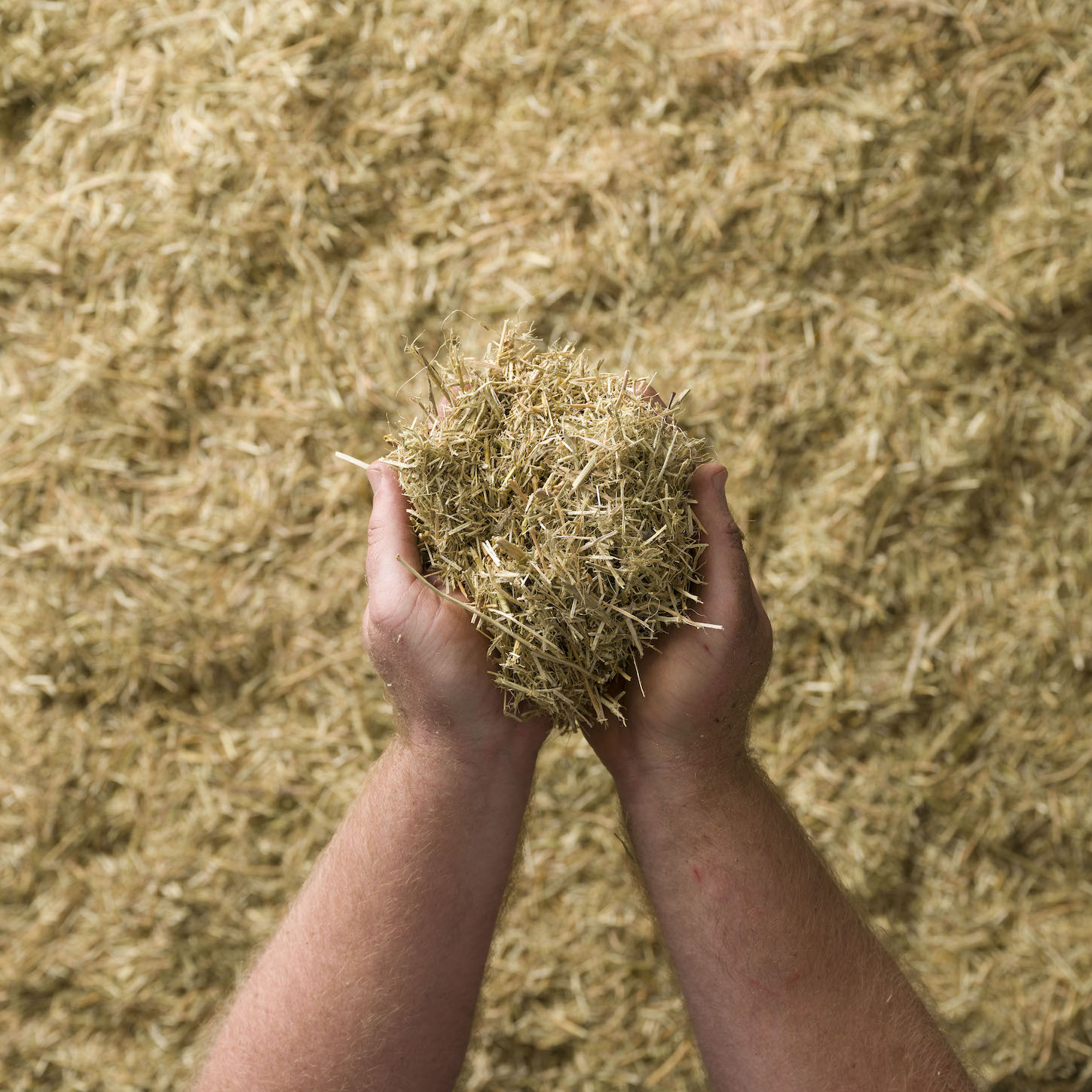
| Mulch | What the product page says | Depth |
|---|---|---|
| Lucerne Mulch | Adds nitrogen and potassium as it breaks down, and is listed as ideal for veggie patches. A bale covers about 6 m². | 50 to 70 mm |
| Sugar Cane Mulch | Dust-extracted. Breaks down quickly to enrich the soil with organic matter. | 50 to 70 mm |
| Hoop Fines Mulch | Finely screened hoop pine bark. Suits densely planted beds and the area around shrubs. Sold by the m³. | 50 to 75 mm |
| Aged Chippers Mulch | An economical, lightly aged woodchip mulch made from green waste. It can contain foreign matter, so view it before you order. Sold by the m³. | 50 to 75 mm |
Keep mulch off stems and renew it every six months or so. See types of garden mulch for how the options compare, or browse bark and mulch.
Feeding the patch

| Product | What the product page says | When |
|---|---|---|
| DynaMaxx Pure Seaweed | A seaweed-based soil conditioner with humic and fulvic acids. Also sold as a 2L hose-end spray. | Every 2 to 4 weeks, or when feeding is needed |
| Sonic Bloom | A high-potassium feed for flowers, fruit and the vegetable patch. | Just before flowering, then fortnightly during bloom |
| Power-Maxx Gardens | Seaweed, fish emulsion and NPK (12-2-7). Suits all plants, including natives. | Every 2 to 4 weeks |
| Seaweed Crystals | A soluble seaweed concentrate. Mix 10 g in 10 L of water for a watering can. | Every 1 to 2 weeks, on the soil or foliage |
Always follow the label rates. For granular and organic options, see the fertiliser range and our guide to fertilisers.
How much to order
Volume in cubic metres is length (m) × width (m) × depth (m). Multiply by the tonnes per m³ in the soil table to convert to tonnes. For a 2.4 m × 2.4 m raised bed filled to 300 mm, that is 2.4 × 2.4 × 0.3 = 1.73 m³.
| Soil | Tonnes for 1.73 m³ |
|---|---|
| Platinum or Black Label (1.0 t per m³) | About 1.7 |
| Ultima or Supreme (1.1 t per m³) | About 1.9 |
| Evolution Pro-MAXX (0.95 t per m³) | About 1.6 |
- Mulch: at 50 to 75 mm deep, 1 m³ covers about 13 to 20 m². A bale of lucerne covers about 6 m², enough for a 2.4 m × 2.4 m bed.
- Compost: at the 2 to 3 kg per m² landscape rate, a 5.76 m² bed takes about 12 to 17 kg of Enviro Compost.
- Potting mix: 40 bags of 25 L make 1 m³.
Enter your own length, width and depth into the landscaping calculator to work out how much soil, compost or mulch you need. Order a little extra, because soil settles.
Delivery and trade accounts
Check what delivery costs to your suburb with the delivery cost lookup, or read our delivery information. If you buy regularly as a landscaper or builder, you can open a 30-day trade account.